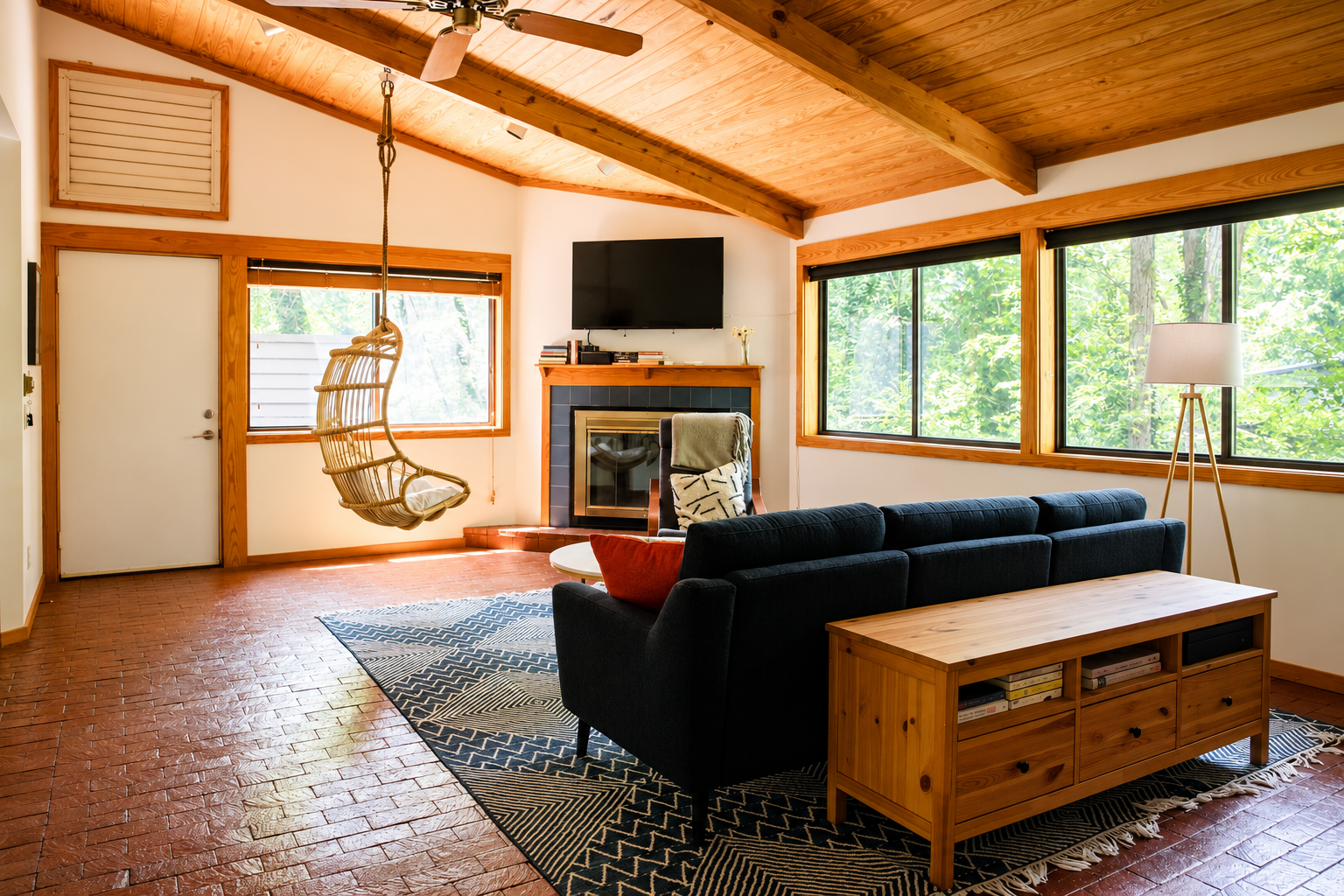
Introducing The Harkrader Method.
What if the way we've been building leaves us disconnected from nature, with higher energy bills?
For generations, we've designed homes to look a certain way on the outside, using increasingly complex, energy intensive and expensive systems to create comfort on the inside. The Harkrader Method begins with a quieter idea: that a home can be built around how it will be experienced on the inside, in harmony with nature.
Before solar panels, smart homes and high-performance systems, there are simpler decisions that shape how a building performs for decades. Orientation. Light. Thermal mass. Insulation.
The Harkrader Method offers anyone the opportunity to design a home with thoughtful, climate-responsive design. The timeless principles that Richard Harkrader tested and refined over his career shape buildings that work with the seasons rather than against them, creating places that feel better to live in while using less energy and fewer resources.
IN A SNAPSHOT
What thoughtful design makes possible.
The Harkrader Method isn't about adding more to a building. It's about making better decisions from the very beginning. The result is buildings that are:
i.
More Comfortable
Buildings that work with the seasons to naturally maintain a more consistent indoor environment throughout the year.
ii.
Lower Energy Demand
Thoughtful design reduces reliance on heating and cooling before technology is ever considered.
iii.
Better Health & Wellbeing
More daylight in the winter and a stronger connection to the outdoors create healthier places to live.
iv.
Lower Running Costs
Good design decisions continue reducing energy costs for the lifetime of the building.
v.
Built around people
Homes become brighter, calmer and more enjoyable places to live because they are designed around the human experience.
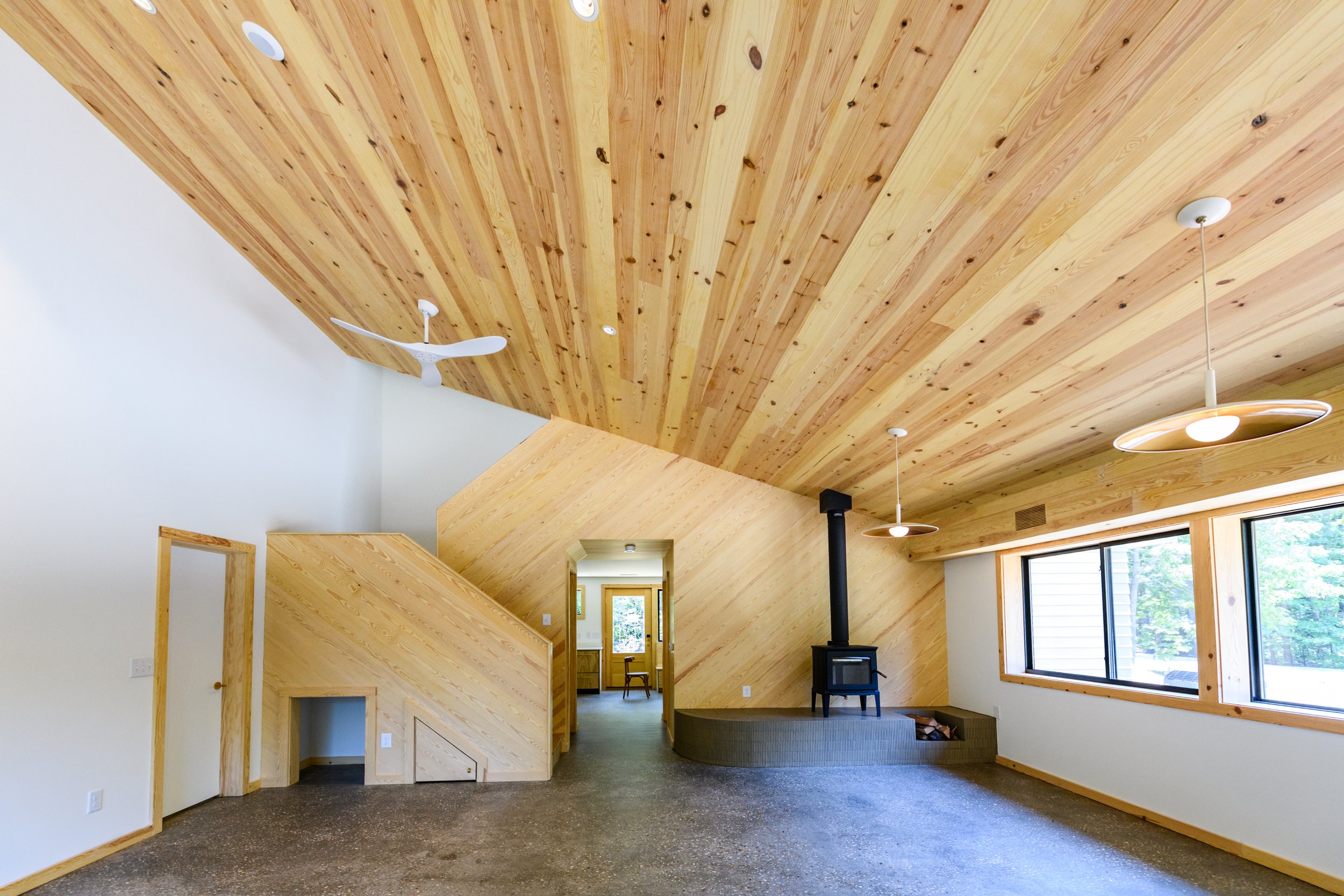
THE BEGINNING
Every building begins with a relationship.
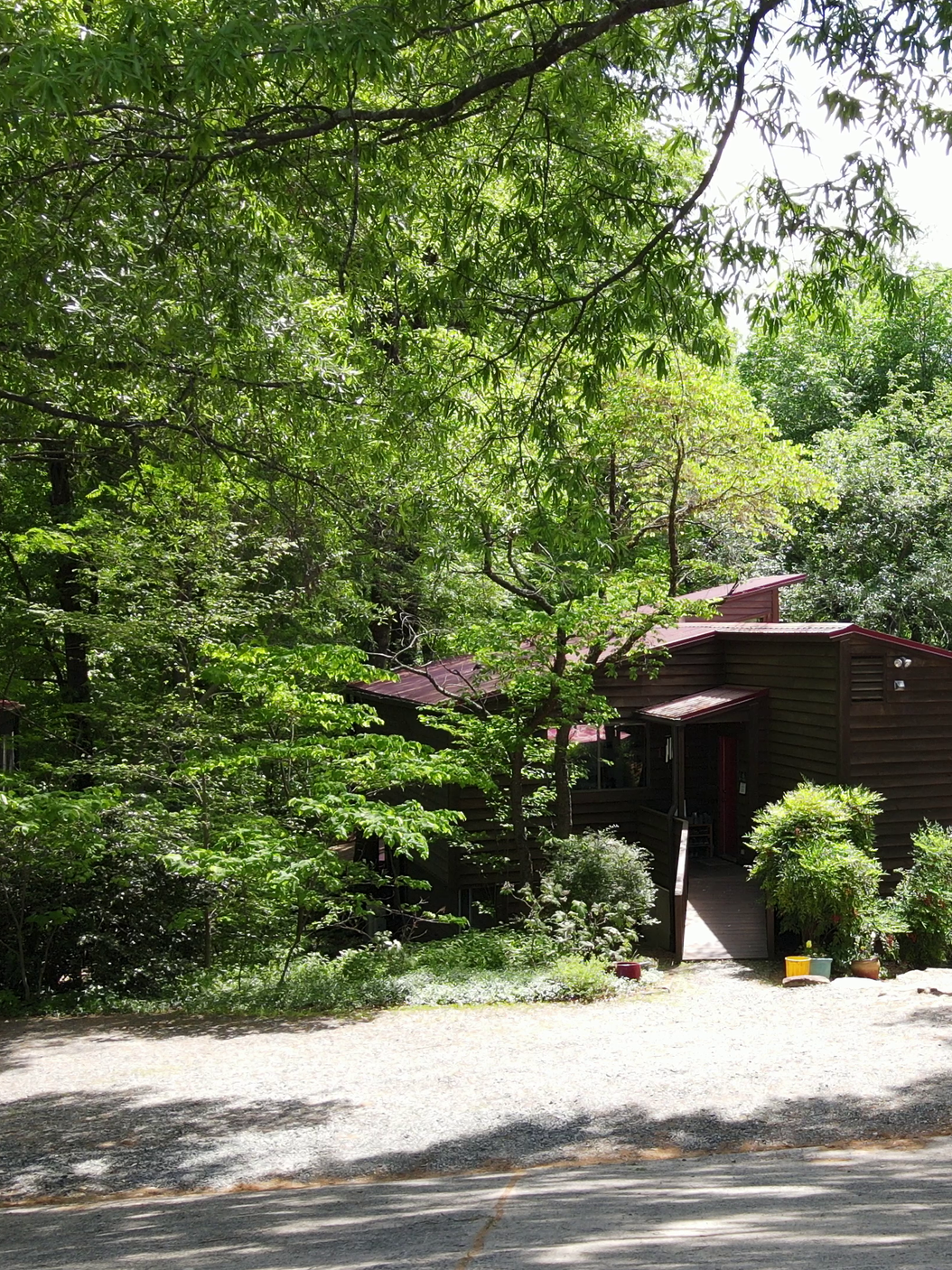
Every building exists within a landscape. It responds to the movement of the sun. It shelters the lives unfolding within it. The Harkrader method begins by understanding these relationships before a single wall is drawn.
Instead of asking how technology can compensate for poor design, it asks how careful orientation, natural light and thoughtful planning can work together from the beginning.
"Good buildings begin with an intention to work with the site, the seasons, and the angles of the sun before drawing plans."
LIVING THE METHOD
Hear from the people who live it every day.
The Harkrader Method is best understood through the people who experience it. Their stories reveal what thoughtful design feels like, not just how it performs.
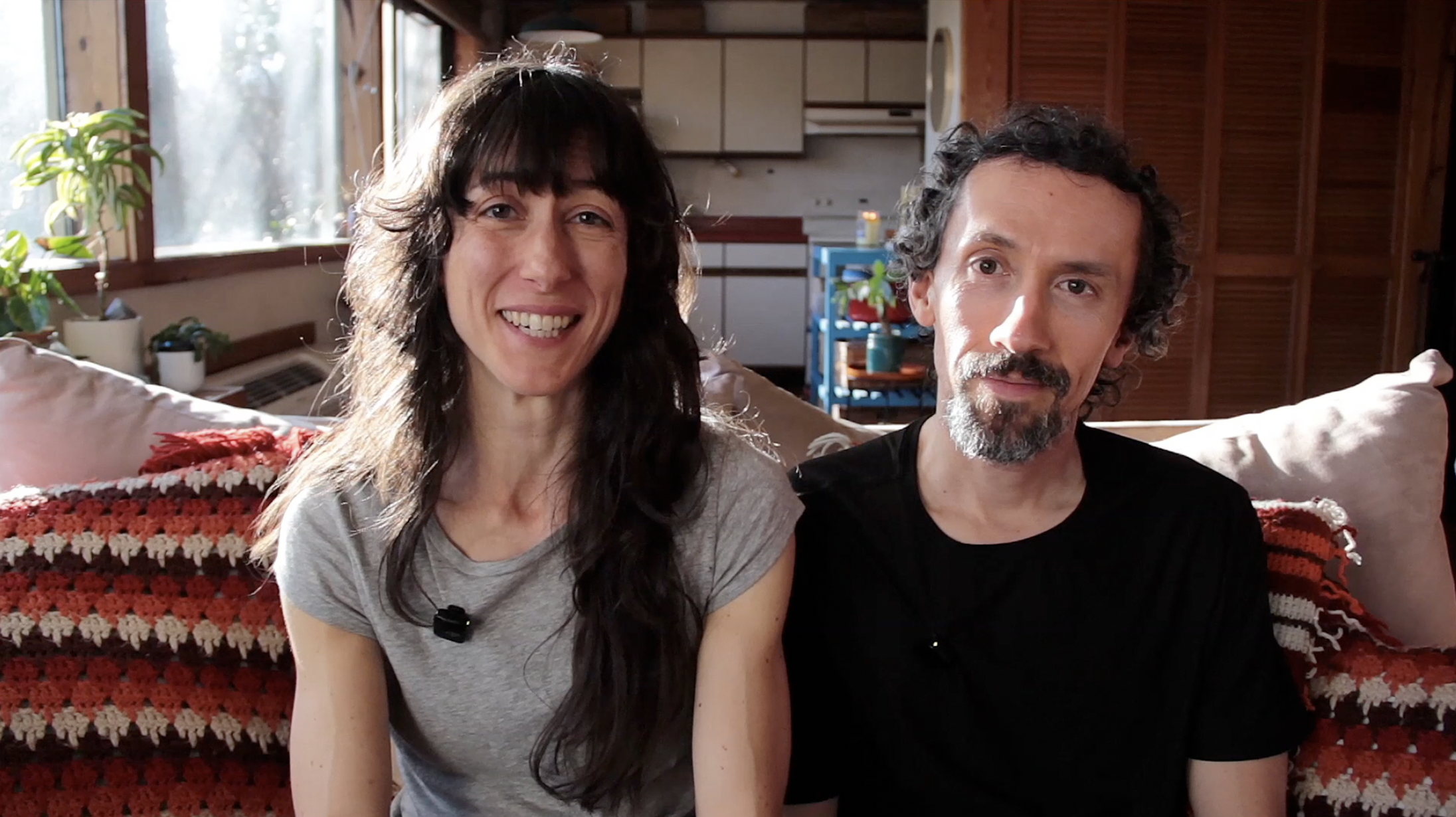
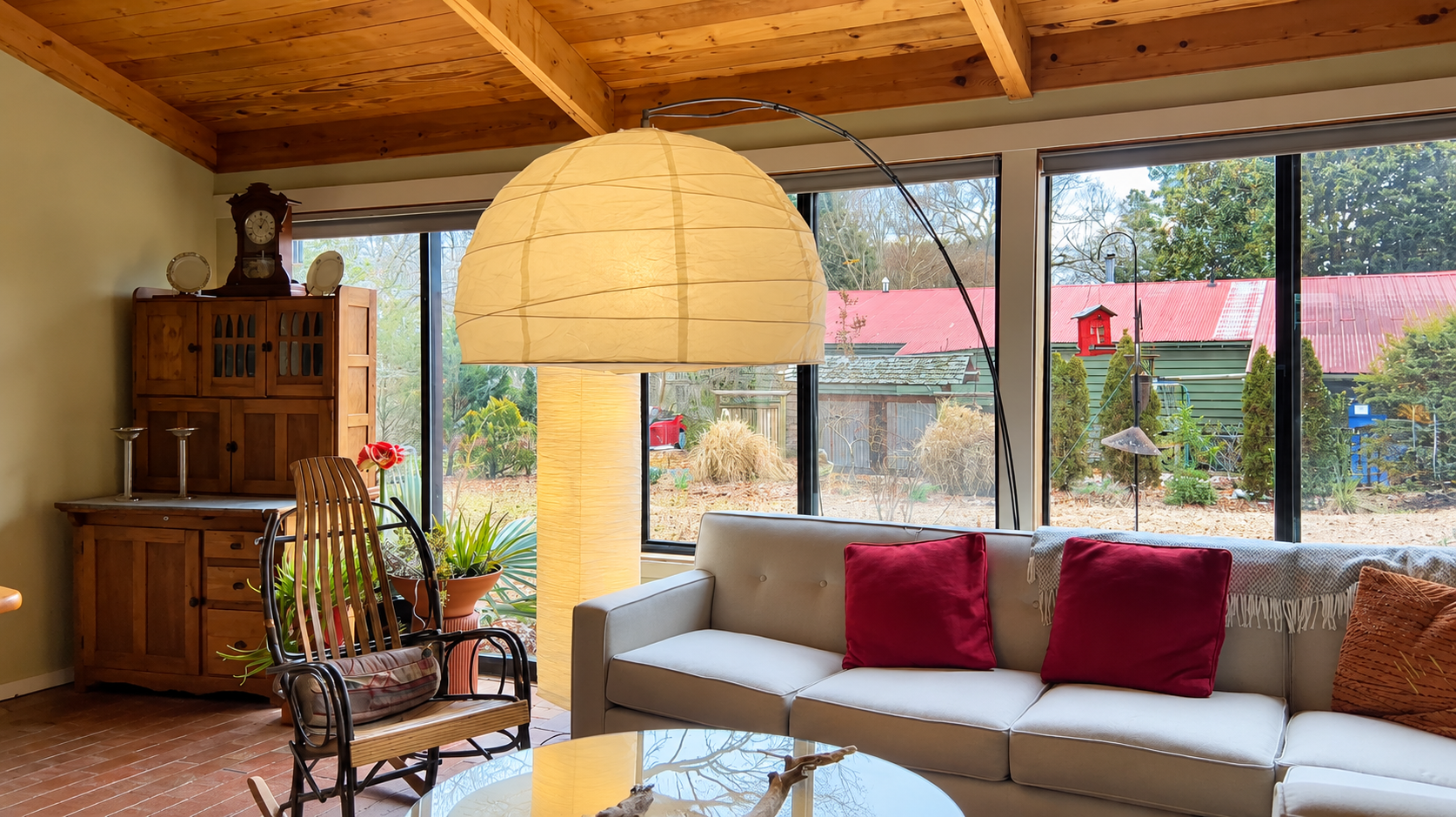
Hill Street
“It’s a beautiful and intentional way of living here with the open concept, the brick and the passive solar.”
- Kristin & Greg
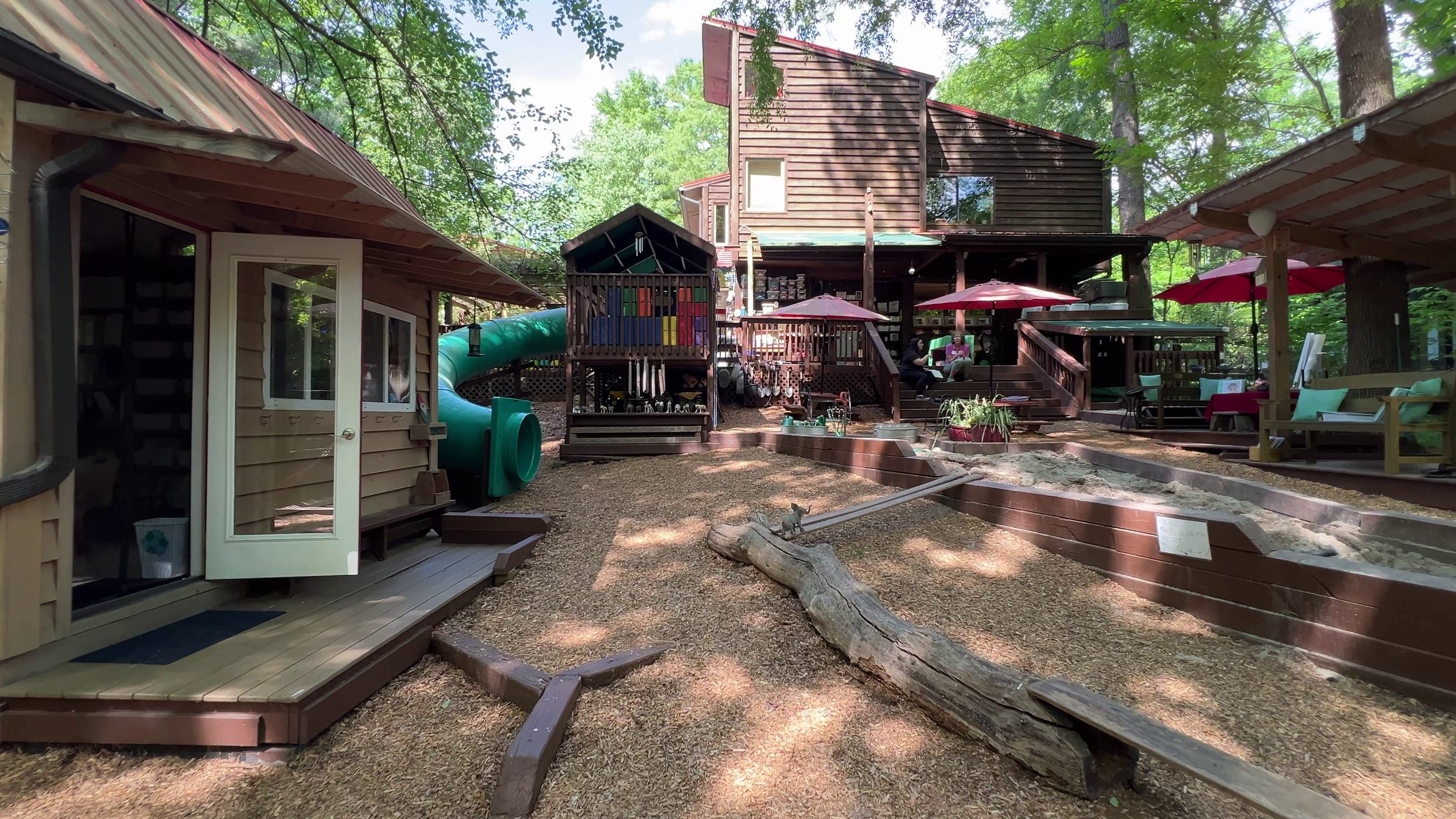
Cobb Street
“It’s most appreciated in the winter. We get direct light and a lot of passive solar gain.”
- Gary & Libby
Carroll Street
“ That connection to the outdoors... that's probably what I love most about this place.”
- Donna
The proof is in the energy bill.
This is a real energy bill from a Harkrader home built in 2026. In September, the first month of full occupancy, the home produced more electricity than it consumed, even while relying on air conditioning for comfort.
The result was a $0 monthly energy bill. In an era of rising energy costs, a home that can effectively produce the energy it needs isn’t just efficient. It points to a different way of building.
Better design. Not more complexity.
One of the greatest misconceptions surrounding climate-responsive building is that it requires expensive technology or specialist systems. The opposite can be true. Many of The Harkrader Method's most effective principles involve thoughtful planning rather than expensive additions — orientation, natural light, roof overhangs, insulation. Good design allows nature to do more of the work of heating and cooling the home.
COMMON MISCONCEPTION
Passive solar means expensive or complicated building.
REALITY
Many passive solar principles cost little or nothing if they are considered from the beginning of a project. The greatest investment is not additional technology — but thoughtful design.
Ready to discover how it works?
The Harkrader Method is built on practical principles developed through decades of real buildings and lived experience. The next chapter explores those principles in detail — from orientation and thermal mass to insulation, HVAC systems and real-world case studies.